


If you’ve heard the term “8 ball” and weren’t sure what it meant, you’re not alone. While it might sound harmless—even like a reference to a pool game or a novelty toy—in the world of drugs, “8 ball” carries a very different and far more serious meaning. For families, loved ones, and anyone concerned about substance use, understanding this slang term can be an important first step toward recognizing a problem.
So, what is an 8 ball? In drug terms, it refers to a specific quantity of an illicit substance, most often cocaine. Knowing what the term means, the dangers involved, and the warning signs of addiction can help you protect yourself or intervene for someone you care about. This article explains it all in clear, straightforward terms—and points toward the help that’s available.
What Is an 8 Ball? Understanding the Drug Term
An “8 ball” is street slang for one-eighth of an ounce of a drug, which equals approximately 3.5 grams. Because a standard ounce is 28 grams, dividing it into eighths produces this common unit of sale. The term is used by dealers and people who use drugs as a kind of code to discreetly reference the amount being bought or sold.
While the quantity stays the same regardless of the substance, the term is most commonly associated with cocaine—you may hear it as an “8 ball of coke.” It’s considered a significant amount, often enough for multiple uses or to share among several people, which is part of what makes it so concerning from a health and safety standpoint.
Where the Term “8 Ball” Comes From
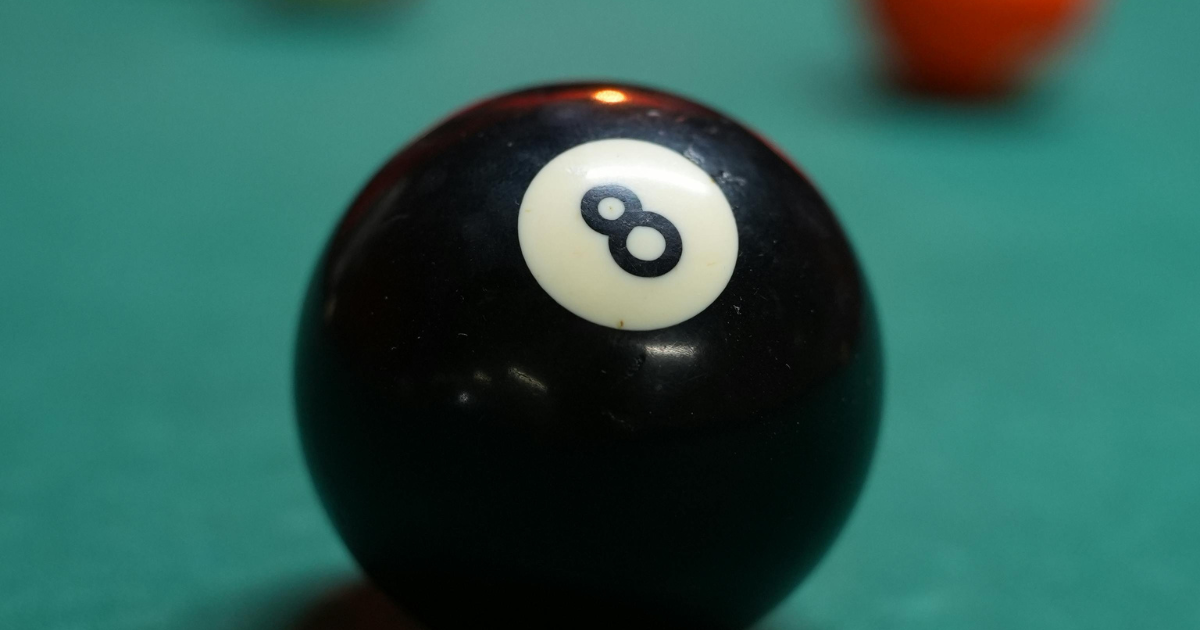
The phrase traces back to the game of billiards, where the black ball is numbered eight. The connection is the fraction: just as the 8 ball is a single, distinct ball on the table, an “8 ball” of drugs represents one-eighth of an ounce. The visual of a small, rounded bag of powder may have reinforced the nickname as well.
The slang gained widespread traction in illicit drug markets during the 1980s, particularly alongside the rise of cocaine use. Like many street terms, it spread quickly as a way to disguise illegal activity in everyday conversation. Today it remains one of the most recognizable drug-related slang terms.
8 Ball of Cocaine vs. Meth and Other Substances
Although cocaine is the substance most often linked to the term, an “8 ball” isn’t limited to it. The same measurement—3.5 grams—is also used to describe quantities of methamphetamine and, in some regions, other illicit substances. The weight stays consistent; only the drug changes.
This matters because the risks differ depending on the substance. Both cocaine and meth are powerful, highly addictive stimulants with severe health consequences, but they affect the body in different ways and over different timeframes. Regardless of the specific drug, purchasing in this quantity signals a level of use that carries serious dangers.
How Much Is in an 8 Ball and Why the Quantity Matters
At roughly 3.5 grams, an 8-ball sits at a meaningful threshold. It’s far more than a single dose, which means it represents repeated use, binging, or distribution. For someone struggling with addiction, having this quantity on hand often fuels a destructive cycle of use that’s difficult to interrupt.
The amount is also significant from a legal perspective. In many states, possessing 3.5 grams of cocaine can lead to felony charges, and if there’s any evidence suggesting intent to sell—such as scales, packaging, or cash—the penalties escalate sharply. Understanding the quantity helps clarify why an 8-ball is not a casual or minor matter but a sign of serious involvement with dangerous substances.
The Hidden Dangers of an 8-Ball
Beyond the quantity itself, an 8 ball carries hidden dangers that many people don’t fully appreciate. Illicit drugs are unregulated, meaning there’s no quality control, no guarantee of purity, and no way to know exactly what a substance contains. This uncertainty can be deadly.
For a person battling addiction, the risks compound with every use. Stimulants like cocaine and meth place enormous strain on the heart, brain, and other organs, and the danger of overdose is ever-present—especially as tolerance builds and larger amounts are consumed.
Adulterants, Fentanyl, and Overdose Risk
Street drugs are frequently “cut” with other substances to increase volume and profit. These additives range from relatively inert fillers to genuinely dangerous chemicals. In recent years, the contamination of cocaine and other drugs with fentanyl—a synthetic opioid many times more potent than heroin—has driven a sharp rise in accidental overdose deaths.
The terrifying reality is that a person may have no idea their drugs contain fentanyl. Even a small amount can be fatal, and because it’s often invisible and odorless, there’s no way to detect it without testing. This is one of the most urgent reasons that any level of illicit stimulant use, including an 8-ball, poses a potentially life-threatening risk.
The Health Effects of Cocaine and Stimulant Use
Cocaine and methamphetamine produce intense, short-lived euphoria followed by a crash that drives users to take more—quickly leading to dependence. The immediate effects can include a racing heart, elevated blood pressure, anxiety, and paranoia, while overdose can cause seizures, stroke, cardiac arrest, and sudden death.
Long-term use takes a devastating toll on physical and mental health, damaging the cardiovascular system, harming cognitive function, and contributing to severe psychological distress. The drugs hijack the brain’s reward system, making it increasingly difficult to feel pleasure without the substance—and increasingly hard to stop without professional help.
Recognizing the Signs of Cocaine or Stimulant Addiction
Knowing the warning signs of stimulant use can help you identify when someone you love may need help. Addiction often develops gradually, and recognizing it early can make a meaningful difference in the path to recovery.
Behavioral and Physical Warning Signs
Behavioral signs may include secrecy, sudden financial problems, neglecting responsibilities, withdrawing from relationships, mood swings, and unexplained bursts of energy followed by deep crashes. You might also notice drug paraphernalia or hear unfamiliar slang terms like “8 ball” being used.
Physical signs can include dilated pupils, weight loss, restlessness, insomnia, frequent nosebleeds (with snorted cocaine), and a general decline in appearance and hygiene. While no single sign confirms addiction, a cluster of these changes is a strong signal that it’s time to seek a professional evaluation and support.
Legal Implications of Possessing an 8 Ball
As noted, possessing an 8 ball can carry serious legal consequences. Because 3.5 grams exceeds what’s typically considered a single personal-use dose, it can attract heightened scrutiny from law enforcement and, in many jurisdictions, felony-level charges.
These legal risks add another layer of harm to an already dangerous situation, potentially affecting employment, housing, family relationships, and future opportunities. For many people, the threat of legal trouble compounds the stress and isolation that often accompany addiction—underscoring why getting help sooner rather than later is so important.
From Use to Recovery: Why Getting Help Matters
If you or someone you love is using cocaine, meth, or other stimulants, it’s important to know that recovery is absolutely possible. Addiction is a treatable medical condition, not a moral failing, and reaching out for help is a sign of strength, not weakness.
Because stimulant withdrawal can bring intense cravings, depression, fatigue, and emotional distress, attempting to quit alone is often overwhelming and can lead to relapse. Medically supervised detox provides a safe, supportive environment to navigate withdrawal, followed by therapy and ongoing care that address the root causes of addiction and build a foundation for lasting recovery.
Get Help for Cocaine and Stimulant Addiction at Middle Tennessee Detox
Understanding what an 8 ball is can be the first step toward recognizing a problem—and recognizing a problem is the first step toward healing. You don’t have to face addiction alone, and you don’t have to wait until things get worse to reach out.
At Middle Tennessee Detox, our compassionate, experienced team provides medically supervised detox and personalized treatment for cocaine, methamphetamine, and other substance use disorders. We meet you where you are and walk alongside you through every stage of recovery, from withdrawal to long-term support.
If you or someone you care about is struggling with stimulant use, help is available right now. Contact Middle Tennessee Detox today to learn about your treatment options and take the first step toward a healthier, substance-free life.

FAQs
How many grams are in an 8-ball?
An 8 ball contains approximately 3.5 grams of a drug, which is one-eighth of a standard 28-gram ounce. This measurement stays the same regardless of the substance, though it’s most commonly used in reference to cocaine. It’s considered a significant quantity that points to serious or repeated use.
Is an 8-ball the same amount for meth as for cocaine?
Yes. The term “8 ball” refers to the weight—about 3.5 grams, or one-eighth of an ounce—not the specific drug. While it’s most often associated with cocaine, the same measurement applies to methamphetamine and other substances sold by weight. Only the drug changes; the quantity stays consistent.
Why is an 8-ball considered especially dangerous today?
Beyond the high quantity, the biggest danger is contamination. Illicit drugs are increasingly cut with fentanyl, a synthetic opioid so potent that even a tiny amount can be fatal. Because it’s often undetectable without testing, users may have no idea it’s present, making any use of street drugs potentially life-threatening.
What are the warning signs that someone is using cocaine?
Common signs include secrecy, financial problems, mood swings, bursts of energy followed by crashes, and withdrawing from loved ones. Physical signs may include dilated pupils, weight loss, insomnia, restlessness, and frequent nosebleeds. Noticing several of these changes together is a strong reason to seek a professional evaluation.
Can you safely detox from cocaine or meth at home?
Detoxing alone is not recommended. Stimulant withdrawal can cause intense cravings, severe depression, exhaustion, and emotional distress that often lead to relapse or crisis. Medically supervised detox offers a safe, supportive setting with professional monitoring, making the process safer and far more likely to lead to lasting recovery.